
Expert Picks For Exterior Trim Installation Supplies
Explore a curated selection of essential tools and materials that make exterior trim installation efficient and flawless.
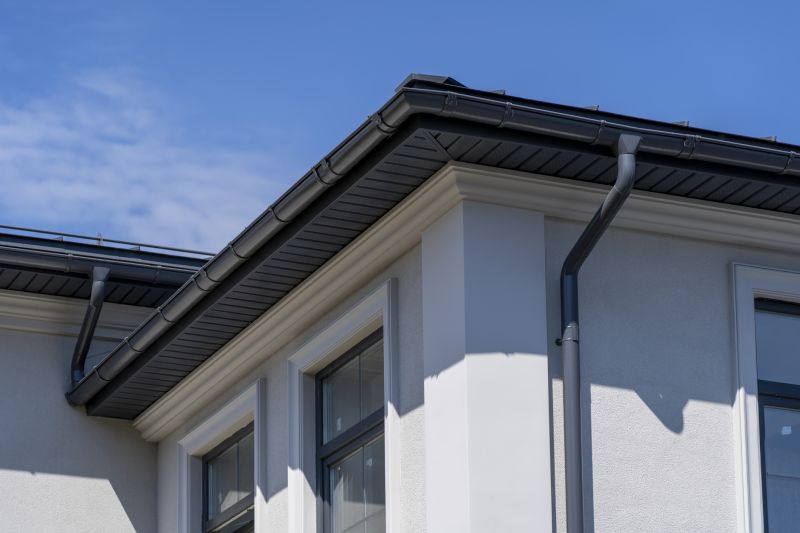 Exterior trim installation is a vital aspect of enhancing the aesthetic appeal and structural integrity of buildings. Properly selected and installed trim can define architectural styles, provide weather resistance, and protect underlying materials from moisture and damage. When choosing products for exterior trim, it is important to consider durability, ease of installation, and compatibility with existing building materials. A wide variety of products are available to suit different needs, from traditional wood trims to modern composite options, each offering unique advantages. Selecting the right products can contribute to a long-lasting, visually appealing exterior that withstands the elements.
Top Overall Option
Premium Exterior Trim Material
A versatile and durable exterior trim material that offers excellent resistance to weathering, pests, and decay. Its ease of installation and low maintenance requirements make it a popular choice for various architectural styles. This product provides a consistent finish and can be painted or stained to match design preferences, making it suitable for a wide range of exterior applications.
Types of Products For Exterior Trim Installations
Wood Trim Boards
Traditional choice offering natural beauty and ease of customization, suitable for various styles but requiring maintenance.
PVC Trim
Synthetic option resistant to moisture, insects, and decay, with low maintenance needs and ease of installation.
Fiber Cement Trim
Composite material combining cement and cellulose fibers, providing durability and resistance to weathering.
Composite Trim
Manufactured from a blend of materials designed for strength, stability, and minimal upkeep.
Aluminum Trim
Metallic trim offering corrosion resistance and a sleek appearance, often used for modern designs.
Vinyl Trim
Affordable and easy to install, with good weather resistance and color retention.
Fascia Boards
Used to cover the ends of rafters or trusses, providing a finished look and weather protection.
Corner Boards
Protective and decorative elements that reinforce building corners and add visual interest.
Window Casings
Frames that surround windows, enhancing aesthetic appeal and sealing against weather.
Door Surrounds
Decorative and protective trim framing exterior doors for improved curb appeal.
Soffit Panels
Install beneath eaves to ventilate attics and add a finished look to rooflines.
Bargeboards
Decorative trims installed along roof edges to enhance architectural detail.
J-Channel
Used to secure siding and trim edges, providing a clean finish and weather barrier.
Sealants and Adhesives
Specialized products that ensure airtight and watertight seals during installation.
Fasteners and Nails
Appropriate hardware designed for exterior use to secure trim components reliably.
Popular Choices
Widely used for their weather resistance and ease of installation, suitable for various exterior applications.
Includes trim and edging products that complement vinyl siding and simplify installation.
Preferred for its durability and modern appearance, often used in contemporary exterior designs.
Popular for their strength and resistance to cracking, ideal for high-moisture environments.
Chosen for their low maintenance and aesthetic versatility in framing windows.
Essential for sealing joints and preventing water infiltration around trim components.
Specifically designed for outdoor use, ensuring secure attachment of trim pieces.
Popular for attic ventilation and maintaining airflow in the building envelope.
Enhance roofline aesthetics while providing functional protection.
A common choice for finishing siding edges and transitions.
Help maintain the integrity of exterior joints and prevent water damage.
Offer durability and a sleek look for building corners.
Provide a finished appearance and additional weather protection along roof edges.
Used for sealing gaps and joints around trim components for weather resistance.
Facilitate secure attachment of trim pieces, especially in difficult-to-nail areas.
The installation process often involves different types of trim components such as window casings, door surrounds, corner boards, and fascia. These elements not only serve functional purposes but also add decorative accents that can complement architectural details. Proper preparation, including surface cleaning and sealing, is essential to ensure optimal adhesion and performance of the trim products. Many manufacturers offer specialized accessories like sealants, fasteners, and adhesives designed to work seamlessly with their trim lines, facilitating smoother installation and better results.
Material choice plays a significant role in the longevity and appearance of exterior trim. While traditional wood offers natural beauty, it may require regular maintenance to prevent rot and insect damage. Alternatives like PVC, composite, or fiber cement trims provide increased resistance to weathering and pests, often with minimal upkeep. The selection process should consider the local climate conditions, the desired aesthetic, and the project's budget. Properly installed, high-quality exterior trim can significantly enhance curb appeal and protect the building envelope for years to come.
Key Buying Considerations
- Material durability and resistance to weathering, pests, and decay.
- Compatibility with existing building materials and architectural style.
- Ease of installation and availability of compatible accessories.
- Maintenance requirements and long-term upkeep.
- Aesthetic finish, including paintability and color retention.
- Cost and overall budget constraints.
- Compatibility with climate conditions, such as moisture levels and temperature fluctuations.
- Environmental factors like exposure to sunlight and wind.
- Availability of warranties or guarantees from manufacturers.
- Ease of cutting, shaping, and fastening during installation.
- Presence of necessary accessories like sealants, nails, and adhesives.
- Weight and handling considerations for ease of transport and installation.
- Certifications or standards met by the product for quality assurance.
- Compatibility with other exterior systems such as siding, roofing, and gutters.
- Potential for expansion or contraction with temperature changes to prevent cracking.